
TabOrA Table: Restoring and Modernizing a Legacy Application
How We Revived an Aging Application, Eliminated Critical Bugs, and Brought It Back to a Stable, Modern Codebase
Application:
Tabora Table
Project Type:
Legacy Application Restoration & Modernization
Engagement:
Complete Software Restoration

The Challenge
Tabora Table had an application that had been developed several years ago, but over time, maintaining and extending it had become increasingly difficult.
Modernizing React means moving away from legacy patterns—like class components, manual loading flags, and heavy global stores—toward functional components with hooks, concurrent rendering (useTransition), Server Components, and streamlined data fetching. It cuts boilerplate, improves performance, and pairs better with AI-driven tooling.
The major challenges included:
- An aging and difficult-to-maintain codebase
- Outdated libraries and dependencies
- Multiple application bugs
- Existing features not working as expected
- Missing functionality required for the current business
- Compatibility issues with newer platform versions
- Difficulty adding or modifying features safely
- Increasing maintenance complexity
At this stage, continuing to patch individual problems was no longer an effective solution. The application didn’t necessarily need to be rebuilt from scratch. It needed to be restored, modernized, and stabilized.
Our Approach
We approached Tabora Table as a software restoration project rather than simply a bug-fixing assignment. Instead of applying temporary fixes, we analyzed the existing application, identified the underlying technical problems, and systematically brought the codebase up to date.
1. Legacy Codebase Assessment
We first reviewed the existing application architecture and codebase to understand:
- Existing project structure
- Outdated dependencies
- Third-party libraries
- Existing features
- Application workflows
- Known bugs
- Platform compatibility issues
- Areas that required refactoring
This assessment allowed us to determine which parts of the application could be preserved, which needed modernization, and which required deeper changes.
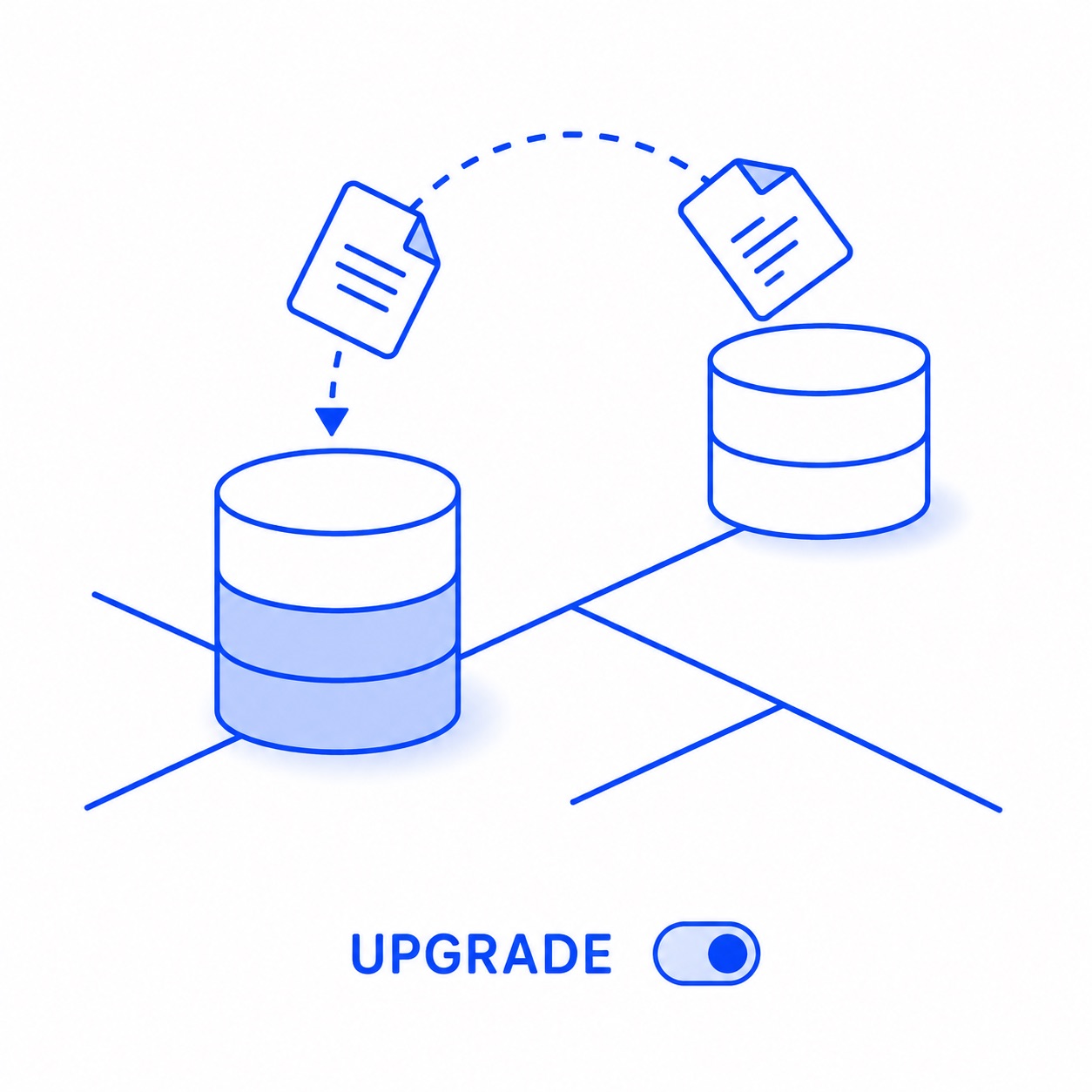
2. Code & Dependency Modernization
We upgraded the application’s underlying technology stack and dependencies. This included:
- Updating outdated libraries
- Updating dependencies to compatible versions
- Resolving dependency conflicts
- Updating deprecated implementations
- Improving compatibility with current platform requirements
- Refactoring outdated code where necessary
The objective was not simply to make the application compile. The objective was to make the application maintainable again.
3. Bug Identification & Resolution
We systematically investigated the application’s existing bugs rather than treating each issue independently. Issues were reproduced, traced to their underlying causes, fixed, and tested again. This helped eliminate recurring problems instead of applying short-term workarounds.
4. Feature Restoration & Improvement
Several existing functionalities required restoration and improvement. We reviewed the application’s business flows and ensured that important features were functioning correctly with the updated codebase. Where functionality was missing or incomplete, the required changes were implemented as part of the restoration process.
06 — Stabilization & Testing
Because the systems supported financial operations, modernization had to be followed by careful validation. We performed testing and stabilization across the affected applications and workflows. The focus was on:
- Core business workflows
- Regression testing
- API integrations
- Application stability
- Performance
- Error handling
- Inter-system communication
- Critical financial processes
The Result
Seamless Management
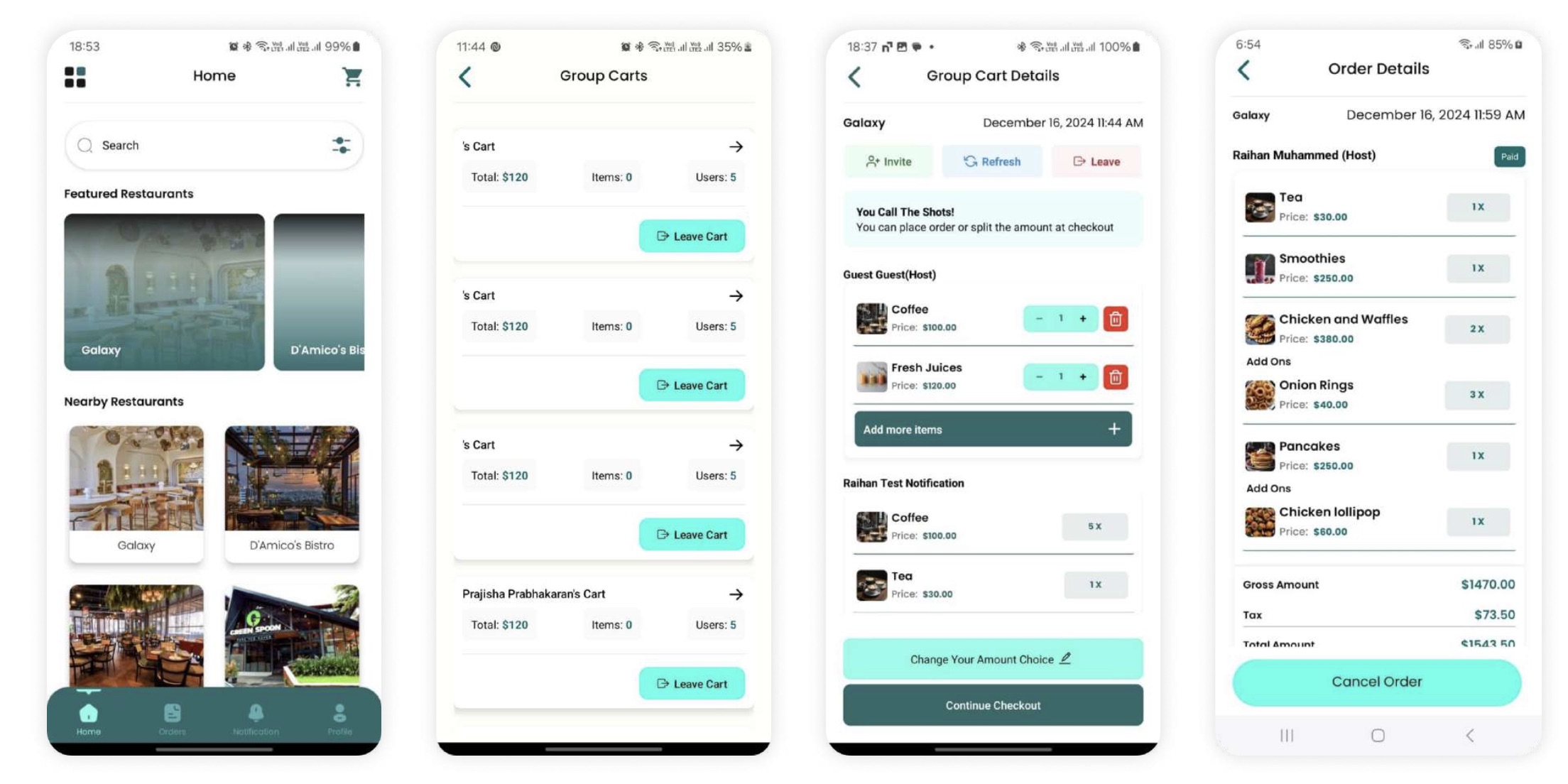
The restoration transformed Tabora Table from a difficult-to-maintain legacy application into a modernized and significantly more stable application.
Legacy Codebase → Modernized Codebase
The outdated implementation was upgraded and refactored where required.
Multiple Bugs → Resolved
Existing application issues were systematically identified and fixed.
Difficult Maintenance → Improved Maintainability
The updated codebase provides a stronger foundation for future development.
Outdated Libraries → Updated Dependencies
Old libraries and dependencies were brought up to compatible versions.
Missing/Incomplete Functionality → Restored
Required functionality was implemented and existing features were brought back into working condition.
About Us
Why Restoration Was the Right Approach
For an enterprise operating dozens of interconnected financial systems, completely replacing the existing technology stack would involve significant:
- Cost
- Development time
- Migration risk
- Data migration complexity
- Business disruption
- Integration challenges
The existing systems already contained years of business logic and operational knowledge. A structured modernization approach allowed the organization to preserve that investment while improving the underlying technology.
From Legacy Technology to a Stronger Enterprise Foundation
This project demonstrates that legacy modernization doesn’t always mean starting from zero. With the right technical assessment and engineering approach, existing enterprise software can be:
Audited → Optimized → Modernized → Stabilized → Extended
The result is a technology platform that is better positioned for future development without discarding years of existing business logic.
Do You Have a Large Legacy .NET Ecosystem?
If your organization is running multiple legacy applications and facing:
- Slow applications
- Outdated .NET systems
- Increasing technical debt
- Difficult-to-maintain code
- Performance bottlenecks
- Frequent production issues
- Complex integrations
- Broken legacy modules
- High development costs
- Difficulty adding new features
A complete rewrite may not be your only option. We can assess your existing applications, identify the most critical problems, optimize the underlying systems, modernize legacy components, and create a roadmap for continued development.
Your legacy software may not need to be replaced. It may simply need to be restored and modernized.